

How do we build resilient energy systems?


At Jacobs, we’re reshaping how energy is generated, moved, stored and used — accelerating decarbonization while strengthening energy security.
We work with clients to accelerate and strengthen energy resilience. That means advancing low-carbon technologies — from sustainable fuels and carbon capture to long-duration storage and advanced nuclear — and integrating them into systems that work in the real world, at scale.
The future of energy isn’t a single shift from one technology to another. It’s a connected system spanning generation, networks, transport, infrastructure and regulation. Low Carbon Solutions Director Alan Fotheringham enables clients to understand those connections — and design for them — so today’s decisions strengthen long-term performance.
-
Over my career, I’ve seen energy systems shift from hydrocarbon-heavy models to increasingly integrated, low-carbon networks. What’s become clear is that no single technology solves the challenge. Resilience comes from how everything connects — and designing those connections well is one of the most important opportunities we have.
![Alan Fotheringham]() Low Carbon Solutions Director
Low Carbon Solutions Director
Alan works with clients to reduce complexity, optimize investment and make more efficient use of renewables, storage and energy networks. This integrated approach lowers total system costs band accelerates delivery and reduces risk.
For many organizations, committing to net zero is just the beginning. Energy assets often take years to develop and are expected to operate for decades — yet turning ambition into action can be overwhelming. Alan bridges the gap between ambition and execution, guiding clients from opportunity to commercially viable programs that can stand up to real-world constraints.
That systems-based thinking matters most in sectors where decarbonization options are limited or still emerging. In aviation, sustainable aviation fuel (SAF) offers one of the most immediate pathways to lower emissions. SAF can cut emissions by 60-80%, making it one of the most immediate levers available to decarbonize aviation.
Alan works with clients to understand how SAF integrates into wider energy and transport systems — and how to scale it responsibly.
For sectors such as steel, cement and refining, carbon capture, use and storage (CCUS) remains essential. Alan supports clients to turn CCUS from concept into delivery — shaping shared infrastructure capture hubs and commercial models that distribute cost and reduce risk. He also identifies opportunities to create value from captured CO₂ — from synthetic fuels to low-carbon construction materials.
As renewable generation grows, long-duration energy storage becomes critical for system resilience. Technologies such as compressed air, liquid air and hydrogen storage allow surplus low-cost energy to be stored and dispatched when demand is highest — improving grid stability and helping moderate consumer costs.
Looking ahead, Alan’s tracking the emergence of small and advanced modular nuclear reactors (SMRs and AMRs). Most SMR programs are still progressing through regulatory and early deployment phases, but momentum is building. For clients planning long-term power strategies, now is the time to understand how modular nuclear could fit into a diversified, secure energy mix.
Ultimately, Alan believes the future of energy depends on how well sustainability, affordability and security are balanced. That means expanding renewable generation, accelerating electrification and responsibly adopting advanced nuclear and low-carbon fuels — all within integrated systems designed to evolve over time.
-
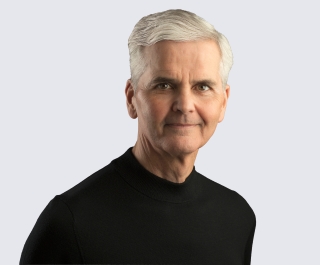
Low Carbon Solutions Director
Alan Fotheringham helps clients navigate complex energy transitions through integrated, low-carbon solutions that strengthen energy security, improve resilience and support delivery of practical, commercially viable infrastructure programs.
