

The ABC of Australia’s high-speed rail



High‑speed rail is more than a transport project — it reshapes nations, unlocks new housing and industry, and drives low‑carbon mobility for generations. The question for Australia is no longer whether it needs faster, higher-capacity intercity rail, but whether it can define, design and deliver it with confidence.
Jacobs draws on experience from major rail and tunneling programs worldwide to inform the pathway forward. From the approvals that build public confidence, to the complex tunneling that pushes engineering boundaries and disciplined project governance that keeps mega‑programs on track — Jacobs brings global insight and local certainty to every stage of high‑speed rail development.
Because when nations move faster, communities thrive. When complexity is greatest, certainty matters most.
A for approvals — defining the vision and securing buy-in
High-speed rail projects fail when approvals precede clarity
High-speed rail programs rarely falter because engineering solutions are unavailable — they struggle when scheme definition is unstable at the point of approval. Governments are often asked to commit substantial resources before objectives, benefits and affordable costs are fully aligned. International experience on major programs shows that when benefits, staging and requirements are not clearly defined upfront, cost pressure and political risk quickly follow. Approvals should build confidence by locking in purpose, pathway and end-state early. Avoid commitment to “headlines” like maximum speed or shortest journey time and focus on economic drivers like capacity, connectivity, housing, employment and regeneration.
B for boring — tackling tunneling challenges head-on
In constrained corridors, tunnel design determines performance, cost and resilience
On Australia’s proposed Newcastle-Sydney corridor, physical and environmental constraints drive an unusually high proportion of the alignment underground, with tunnel lengths unprecedented nationally. Tunnels are a major investment and not readily changed. At this scale, tunneling should not be seen in isolation as a component — it is the system. Long high-speed rail tunnels introduce aerodynamic, ventilation, safety and construction logistics challenges that must be addressed together. Global practice increasingly favors twin-tube tunnel configurations and carefully calibrated diameters to balance speed, comfort, energy demand and long-term flexibility.
C for confidence — building trust through delivery excellence
Delivery confidence comes from structure, realism and governance
Public confidence in megaprojects is fragile and difficult to recover once lost. Internationally, cost escalation has been driven less by unforeseen ground conditions than by optimism bias, evolving requirements, misaligned procurement models and insufficient allowance for long-duration risk. Examples such as Australia’s Inland Rail underline the importance of realistic cost ranges, disciplined change control, early design governance and procurement strategies that preserve commercial tension. By learning from global experience and embracing collaboration, Australia can build a system that drives growth and sustainability for decades to come. Confidence is built through structure, not compressed schedules.
Laying the groundwork for generational impact
High‑speed rail is both a catalyst and connector — a transport investment that seeds urban renewal, expands housing choice and accelerates decarbonization. Australia can deliver Newcastle–Sydney as a confident first step by getting its approvals right, engineering the tunnel boring to world‑class standards and sustaining confidence from development into delivery.
-

Global Program Director
Michael has more than 30 years’ experience in the development and delivery of major rail and infrastructure programs internationally. He has led multidisciplinary teams across major investment programs with a wide spectrum of expertise covering technical, operational and commercial strategy...
-
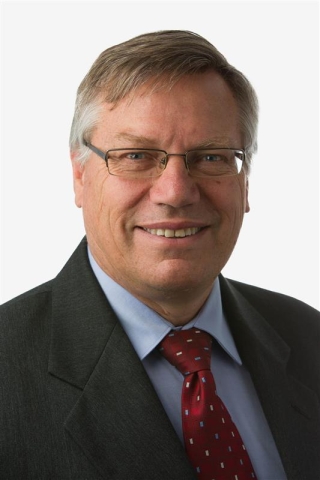
Regional Solutions Director, Tunnel & Ground Engineering, Asia Pacific
Colin Parker leads Jacobs’ Tunnel and Ground Engineering business in APAC, bringing more than 40 years of experience delivering major infrastructure projects and complex geotechnical solutions.
