

How can early clarity reduce underground risk on major projects?


Major infrastructure and high‑speed rail projects often face a common challenge: uncertainty in ground conditions can drive risk, cost escalation and delays if not understood early. On complex tunnel projects, accurate understanding of ground conditions and early risk identification are critical to confident delivery.
Colin Parker has spent more than 44 years in ground engineering, contributing to many of Australia’s major rail, road and water infrastructure projects, particularly in New South Wales. His career has focused on bringing together geotechnical, hydrogeology and tunnel design engineers to evaluate risks and opportunities through robust ground models and practical underground solutions. Colin uses historic and current site data to develop reliable ground models to identify potential risks early. Guided by his long‑held motto, “no surprises,” he works with clients and contractors to reduce uncertainty and avoid issues emerging later in construction.
On high‑speed rail long tunnel projects, Colin highlights the importance of considering operational, ventilation and fire‑life safety constraints early in alignment development. Extended tunnel lengths and limited access can introduce complex requirements that influence design, approvals, delivery and operation if not fully understood upfront, making early clarity critical to identifying risks and avoiding issues later in the project.
Given the long timeframes and scrutiny associated with major programs, Colin emphasizes clear design documentation and proactive engagement with approval authorities. Drawing on Jacobs’ experience on recent design-and-construct projects, he has seen how clarity and regular communication can shorten approval processes leading to earlier construction. The improved approval process through better communication was evident transitioning from Sydney’s Westconnex M8 project to the Westconnex M4-M5 project where design package approval times were reduced by some 50%.
Collaboration underpins Colin’s approach. Having led large, multi‑disciplinary teams throughout his career, he prioritizes clear communication and integration across disciplines. He believes encouraging broad participation leads to innovative solutions that deliver better cost and quality outcomes for programs.
What motivates Colin most is working as part of a team united by a shared purpose: delivering infrastructure that benefits communities and stands the test of time.
Throughout his career, Colin has contributed to some of Australia’s most complex rail, road and tunnel projects by bringing clarity to ground conditions and underground risk. His ability to lead multidisciplinary teams and build robust ground models while fostering strong collaboration, enables clients to move design, approvals and construction forward with confidence.
-
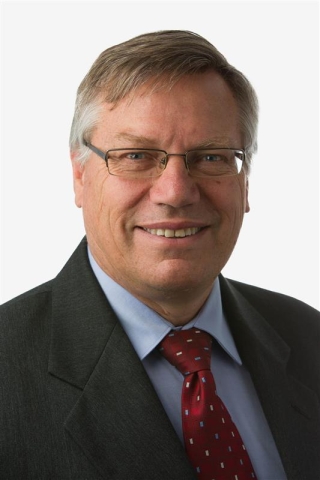
Regional Solutions Director, Tunnel & Ground Engineering, Asia Pacific
Colin Parker leads Jacobs’ Tunnel and Ground Engineering business in APAC, bringing more than 40 years of experience delivering major infrastructure projects and complex geotechnical solutions.
