

How can integrating engineering into operations improve water and wastewater treatment?


In a constantly evolving world, municipalities and water facilities are under increasing pressure to improve performance, extend asset life and deliver reliable service to residents and customers. Engineering Manager Liie Hill is helping them do just that. Her role was designed specifically to strengthen the connection between daily operations and the engineering expertise that keeps complex water treatment systems performing at their best.
Bridging operations and engineering for better performance
Liie describes her work as being both “the glue and the grease” — keeping things connected while helping processes move smoothly. She supports operations and maintenance (O&M) projects across the U.S., working with operators and clients to be sure they have access to the technical resources they need, whether it be troubleshooting process inefficiencies, planning a capital upgrade or responding to unexpected conditions.
Integrating engineering expertise into daily operations provides a major advantage: operators can quickly pinpoint root causes and address issues proactively. Liie plays a central role in this process by scoping engineering needs, overseeing technical reviews and being sure solutions are implemented effectively. This approach gives clients confidence that their facilities are operating safely and meeting regulatory requirements.
Delivering cost-effective, reliable solutions
This model isn’t just effective; it’s cost-conscious. Liie leads innovation workshops with clients to improve efficiency and uncover long-term savings through data-driven process improvements.
In Wilmington, Delaware, she tailored a workshop to the city’s challenges: aging infrastructure and new regulations. As a result, Jacobs developed a programmatic approach to the city’s capital improvement plan, improving process control and achieving energy and chemical savings.
Why she does what she does
For Liie, motivation comes from the opportunity to build systems and processes that help municipalities operate more sustainably and deliver better service to their residents. Her role continues to evolve, but the purpose remains clear: support clients in getting maximum value from their treatment facilities and help operators access the expertise they need to perform at the highest level.
-
Providing engineering support is more than solving problems — it’s about aligning people, knowledge and strategy. I help our operators access the right resources to strengthen performance and deliver real value for our clients. My role is to make sure our teams have the right experts behind them so they can turn challenges into purpose-driven solutions.
![Liie Hill]() Engineering Manager
Engineering Manager
-
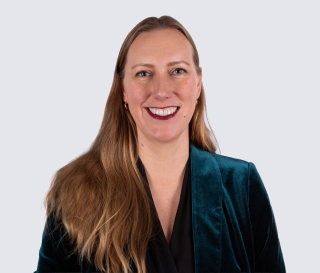
Engineering Manager
Born and raised in Estonia, Liie studied chemical and environmental engineering at the Tallinn University of Technology before beginning her career as an intern at a wastewater treatment plant. After moving to the United States, she explored roles in traditional...
