



































-
Save to favoritesShare with your friends
-

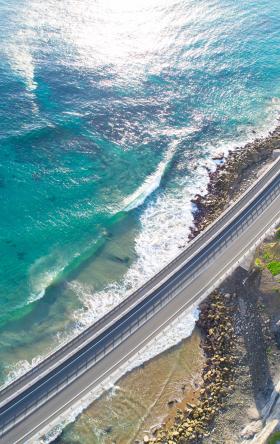
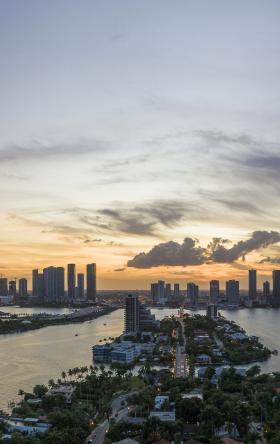
Coastlines are dynamic, productive and deeply valued places, but they are also experiencing accelerating change from sea level rise, intensifying storms, aging infrastructure and growing development. At Jacobs, coastal resilience means adapting to these challenges without losing the qualities that make coastlines livable, valuable and uniquely connected to people and nature.
Drawing from global expertise and an integrated OneWater mindset, we partner with communities to develop transformative, future-focused solutions, from waterfront resilience programs in New York City, San Francisco, Galveston and London, to Australia’s largest reef reconstruction project. Whether its local living shoreline projects or regional-scale flood protection programs that evolve, our approach blends natural and engineered systems, digital innovation, community insight and long-term planning so coastal places can withstand, recover, adapt and thrive in varied conditions over time.
Built systems

Coastal infrastructure must be ready for tomorrow’s climate, not yesterday’s design standards. We integrate modeling, data and adaptive design principles to deliver resilient waterfront redevelopments, ports, flood protection systems, water infrastructure and transportation corridors. Instead of reactive upgrades, we implement holistic, climate-responsive infrastructure that protects people and economies, restores ecosystems and enhances coastal access and vitality — now and into the future.
Natural systems
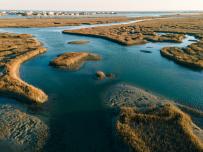
Natural systems are essential allies to reducing coastal risk. We design and restore wetlands, dunes, reefs, beaches and estuaries that absorb wave energy, buffer storm impacts and support biodiversity — often delivering co-benefits that far exceed traditional structures. Working with The Nature Conservancy and other government, academia and industry organizations, we advance nature-based solutions that use ecological design, sediment management and blue carbon strategies to strengthen resilience while restoring the natural character and function of coastal landscapes.
People and places
Coastal resilience succeeds only when communities are part of the solution. We build trust through transparent communication and inclusive engagement, working alongside local leaders, agencies and residents to ensure coastal plans reflect community priorities and deliver equitable outcomes. Through vulnerability assessments, scenario planning, evacuation planning and early warning systems, we advance solutions that strengthen social and economic wellbeing, and expand access to funding for under-resourced communities on the front line of coastal change.
Adaptation over time

Coastal resilience is more than a one-time investment — it’s a long-term journey that requires flexible strategies capable of evolving as conditions shift. We apply adaptive pathways, robust decision-making tools, continuous monitoring and climate-informed asset management to ensure investments remain effective for decades. We help clients plan for uncertainty, define clear triggers for adaptation, align near-term actions with long-term vision and support phased, collaborative investments to create coastlines that can change with the climate.
Projects
-
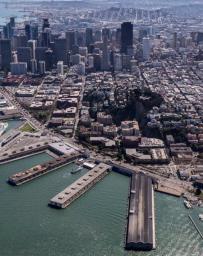
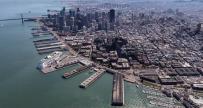
Protecting San Francisco’s waterfront with climate-resilient coastal infrastructure
Adapting 7.5-miles of the San Francisco Waterfront to be resilient to earthquakes, coastal storms and sea level rise, including the preservation and fortification of the 100-year-old Embarcadero Seawall.
-
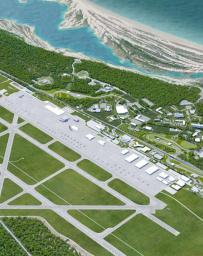
Advancing coastal resilience to safeguard mission-critical U.S. Air Force operations
Supporting the U.S. Air Force in rebuilding Tyndall Air Force Base after Hurricane Michael with resilient infrastructure designed to sustain long-term mission readiness.
-
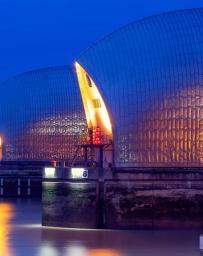
Safeguarding London and the Thames Estuary from tidal flood risk
Working with the Environment Agency to deliver a multi-decade program of flood risk management that protects London’s communities, businesses and infrastructure from tidal flooding.
-
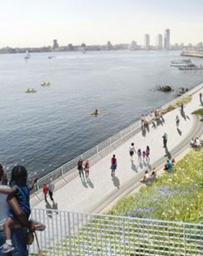
Advancing hurricane and flood protection for New York City’s east side communities
East Side Coastal Resiliency (ESCR), conceptually developed during Rebuild by Design after Superstorm Sandy, is the first segment of a 10-mile flood protection system that extends around lower Manhattan.
-
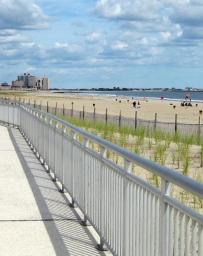
Reimagining Rockaway’s waterfront with resilient coastal protection and public space
Rebuilding an iconic boardwalk with stronger coastal defenses and improved public amenities to protect the community from future storms while revitalizing the waterfront.
-
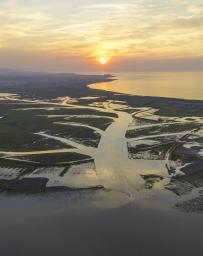
Reviving saltmarsh ecosystems to protect communities from climate impacts
One of the U.K.'s largest coastal management schemes, Steart is an example of working with nature to restore habitats and mitigate flood risk to protect from climate change.
-
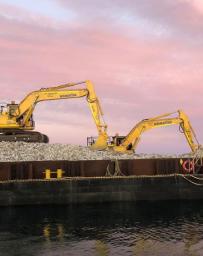
Rebuilding marine ecosystems with Australia’s largest oyster reef restoration
Restoring historic oyster reefs in South Australia, improving water quality, strengthening coastal resilience and revitalizing marine biodiversity.
-

Revitalizing Seattle’s waterfront with climate-resilient urban infrastructure
Delivering a landmark urban transformation that replaces the former viaduct with vibrant public spaces and stronger connections between the city and its waterfront.
-
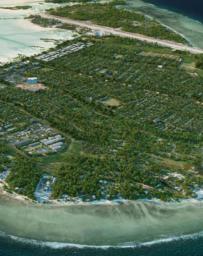
Strengthening climate resilience to protect Kiribati from sea level rise
Supporting one of the world's most vulnerable island nations with sustainable coastal protection and infrastructure solutions that enable communities to adapt to sea level rise and the growing impacts of climate change.
Meet some of our team
-

Adam Hosking
Global Solutions Director, Resilience and Climate Response
-

Luce Bassetti
Director, Coastal Resilience, Americas
-

Sam Watkin
Technical Director, Maritime Section Leader, Australia and New Zealand
-
Maki Onodera
Global Principal, Maritime Resilience
-

Charles Schelpe
Global Principal, Flood Infrastructure Engineering
-

Susy Torriente
Global Principal, City Resilience
-

Nigel Pontee
Global Principal, Coastal Planning and Engineering
-

Eric Iribarren
Head of Coastal - Middle East
Let’s build your coastal future — together
Whether you’re restoring habitats, reimagining coastal infrastructure or planning long-term adaptation, we’re ready to combine global best practices with local knowledge and cross-disciplinary expertise to shape a safer, more resilient coastal tomorrow.
You might be interested in...
-
 News
NewsJacobs to Design One of the World’s Largest Coastal Gate Systems Along Texas Gulf Coast
Jacobs has been selected by the Gulf Coast Protection District (GCPD) to lead engineering design for a coastal storm surge barrier along the Texas Gulf Coast — The Gate (known as the Bolivar Roads Gate System), which is a central element of the Coastal Texas Project. The system is expected to be among the largest coastal storm surge barrier gate systems in the world.
-
 News
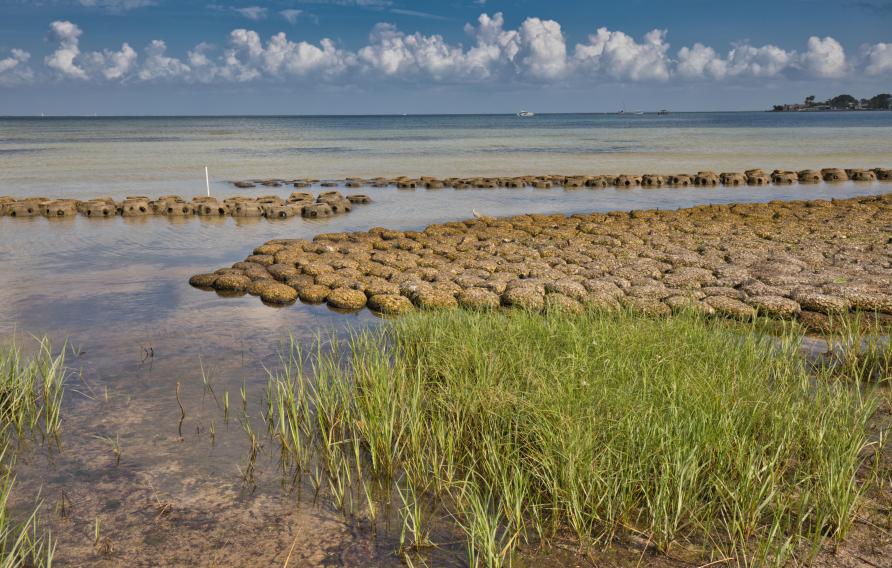
NewsDesigning Resilient Coastlines Through the Power of Nature
From living shorelines to restored wetlands, using nature’s own systems as a design guide is redefining coastal protection — turning resilience into regeneration.
-
 News
NewsNavigating the Rising Tide: Transformative Solutions for Coastal Resilience
Our Global Director for Water Resources and Resilience Solutions, Adam Hosking, discusses key trends in coastal resilience, from positive community impact and social value to the importance of thinking big. Read his perspectives here.
-
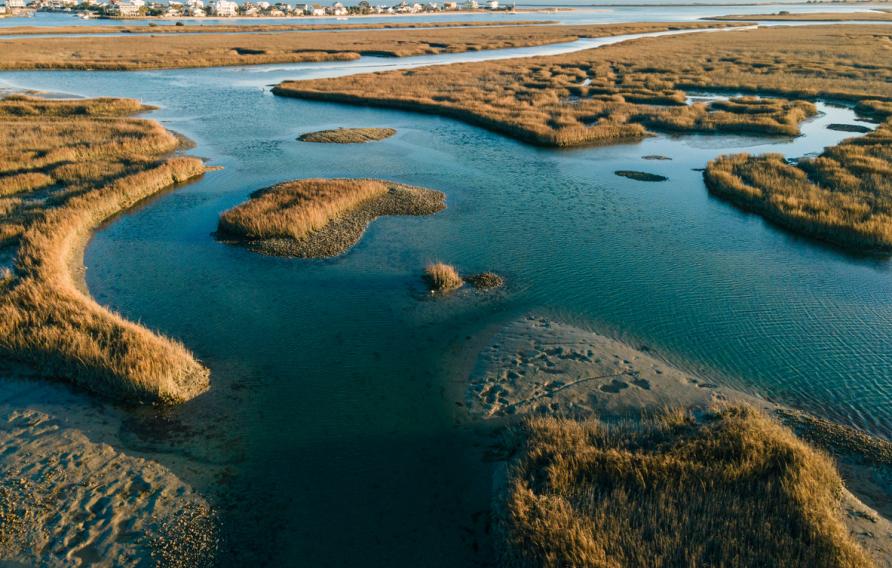 News
NewsJacobs and The Nature Conservancy to Develop Nature-based Coastal Resilience Implementation Plans for South Carolina
Read how we’re working with The Nature Conservancy to evaluate large-scale nature-based solutions that reduce coastal community risks and enhance the natural environment along South Carolina’s coastline.
-
 Report
Coastal erosion and climate change
Climate change is a global problem that will result in severe consequences at the coast. Strategic coastal planning, management and adaptation are key to mitigating future losses and ensuring that coastal development and communities are sustainable in the long-term.
