

































-
Save to favoritesShare with your friends
-
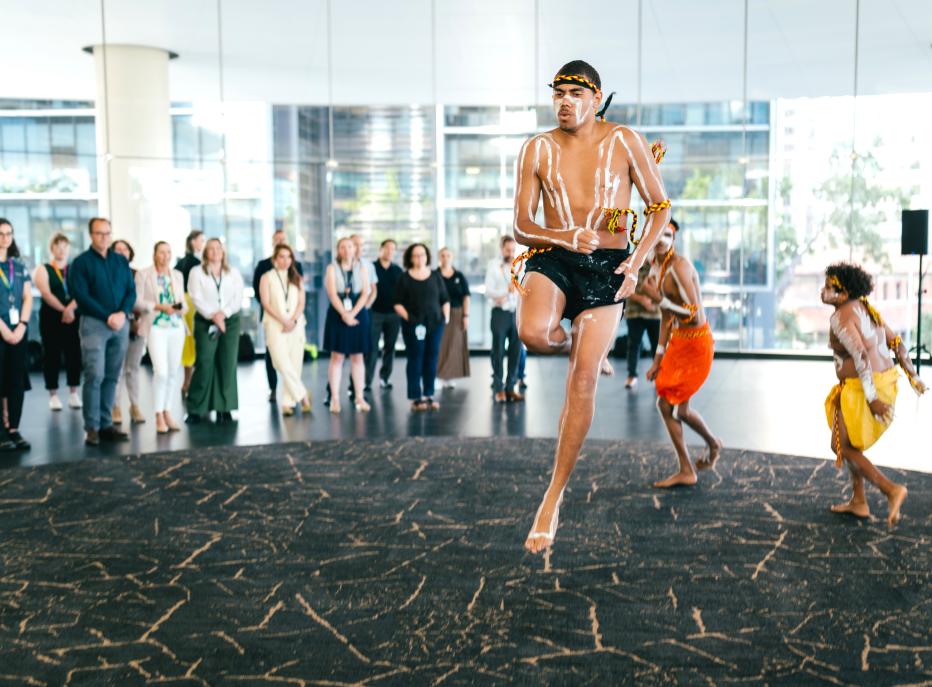
At Jacobs, inclusion is more than a value — it’s an action. We embrace different perspectives, collaborate across cultures and build trust by delivering solutions that reflect and respect the communities we serve.
Our vision for reconciliation and Indigenous inclusion across Australia and New Zealand is to:
- Honour and respect Māori, Aboriginal and Torres Strait Islander world views in our culture.
- Create an environment where all, feel they belong and thrive.
- Embed Indigenous knowledge into our workplace and our solutions.
- Contribute to structural change initiatives in the broader society.
Jacobs is working to achieve this vision through our 2024–2026 Innovate Reconciliation Action Plan and He Korowai Manaaki – Māori Engagement Plan (2025–2026), which builds upon the groundwork of He Putiputi Hou (The Dandelion Project, 2023–2024).
Jacobs’ 2024-2026 Innovate Reconciliation Action Plan
Developed collaboratively with Reconciliation Australia, a Reconciliation Action Plan (RAP) enables organizations to sustainably and strategically take meaningful action to advance reconciliation in Australia based on three core pillars: relationships, respect and opportunities. Innovate RAPs are the second stage in a series of formal commitments to reconciliation, following the “Reflect” stage. They are implemented during a two-year period and aim to empower and strengthen relationships with Aboriginal and Torres Strait Islander people by implementing actions focused on driving organizational change.
Guided by our purpose and values, Jacobs is committed to reconciliation and our RAP provides the road map for our journey including actions, deliverables and how we will measure progress. Our latest RAP reflects learnings from more than a decade of implementing formalized strategies. One key learning we incorporated is that reconciliation is a commitment employees should embed into our everyday thinking and business practices. Our evolution requires ongoing visible leadership and regular measurement and communication of our progress.
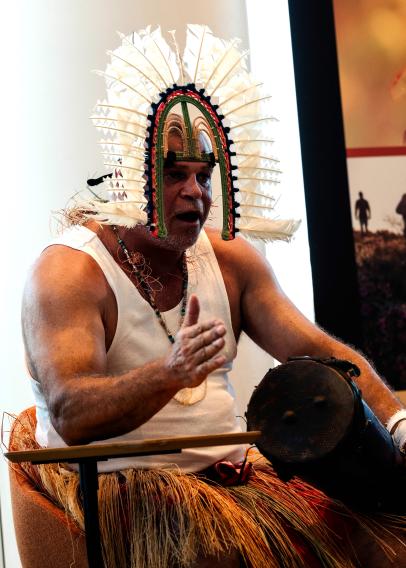
Māori inclusion
Our Māori inclusion journey began with He Putiputi Hou (The Dandelion Project, 2023–2024), Jacobs’ first Māori Inclusion Action Plan in Aotearoa New Zealand. This plan outlined our path to build cultural competence and support for both Māori and non-Māori.
Waiho i te toipoto. Kaua i te toiroa. — Let us keep close together, not far apart.
The five Pou Values (core values) of He Putiputi Hou were:
- Manaakitanga – Show respect and care for others: respecting, listening and uplifting physical, spiritual and environmental wellbeing.
- Whanaungatanga – Reciprocal relationships: valuing communities, networks and connections through shared learning and practice.
- Kōtahitanga – Collective action: embracing all people, creating belonging and working in unity.
- Rangatiratanga – Leadership: advocating for others, living our values and empowering prosperity.
- Kaitiakitanga – Guardianship: protecting the environment and embedding sustainability in our work.
The Dandelion Project was a collaborative effort that laid authentic groundwork to reseed, thrive and grow.
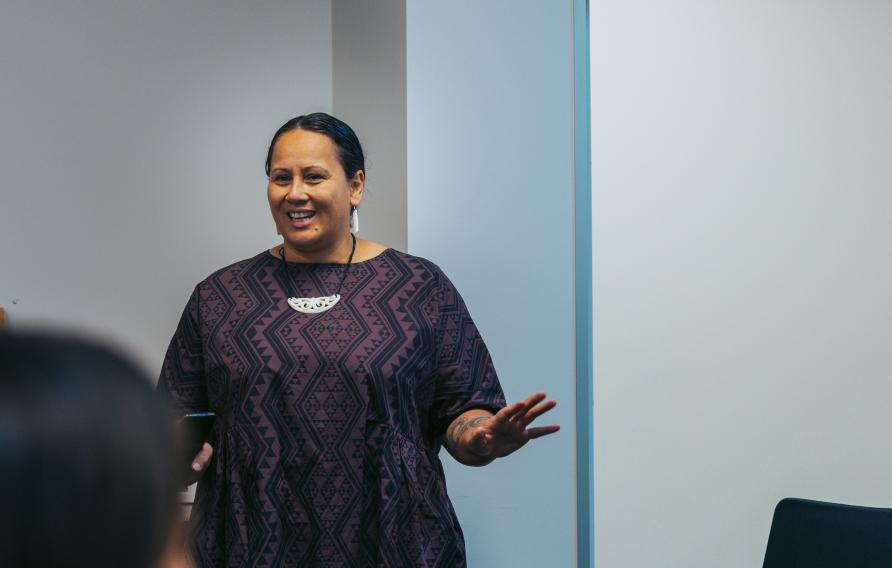
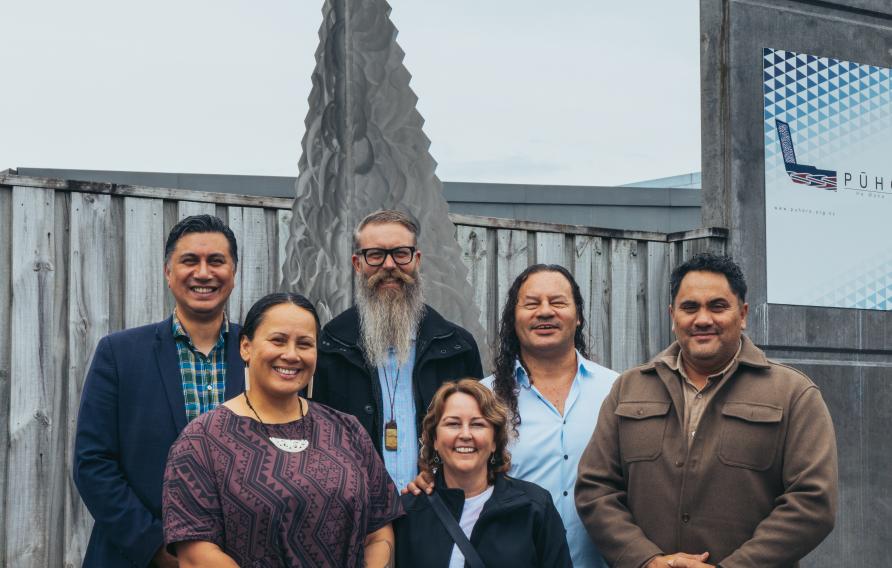
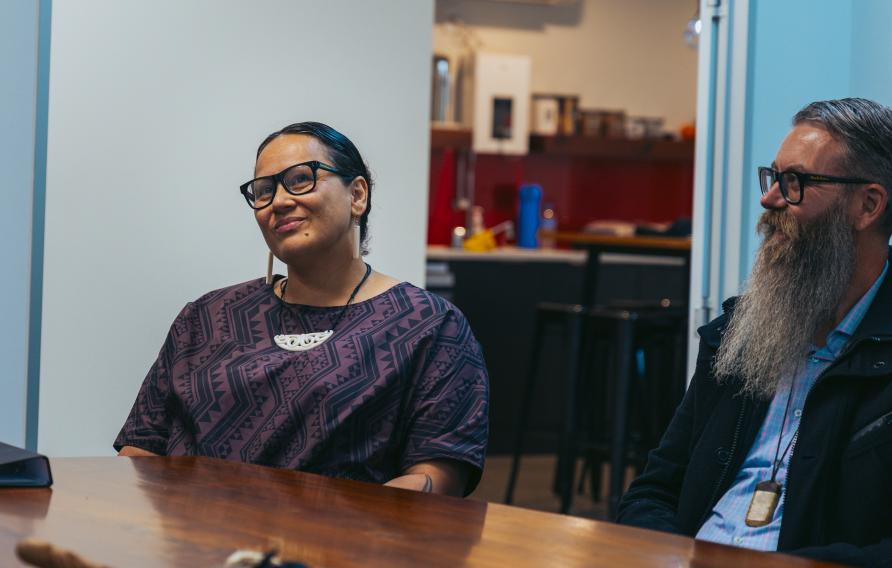
Building on this foundation, Jacobs has now launched He Korowai Manaaki (2025–2026), our Māori Engagement Plan. Meaning “a cloak of care and support,” He Korowai Manaaki builds on the mahi (work) of the Jacobs Māori Rōpū (Working Group) and is led by Pou Ārahi (Māori Advisory Lead) Paora Sharples, with support from the Māori Rōpū.
He Korowai Manaaki focuses on four key areas:
- Strengthening relationships with Māori communities, businesses and stakeholders through authentic engagement and collaboration.
- Enhancing cultural competency across the workforce to deepen understanding of Māori culture, values and traditions.
- Integrating Māori perspectives into planning and decision-making to ensure inclusive strategies that reflect a range of viewpoints.
- Promoting clear and respectful communication to keep employees informed, engaged and aligned while celebrating shared achievements.
Coinciding with the launch, Jacobs also announced a partnership with Pūhoro STEMM Academy, dedicated to advancing Māori participation in science, technology, engineering, mathematics and Mātauranga Māori (Māori knowledge). The partnership, formally launched with a pōwhiri (welcoming ceremony), marks the beginning of a shared effort to empower rangatahi Māori (youth) through education and career pathways while supporting systemic change for a more inclusive future.
Meet some of our team
-

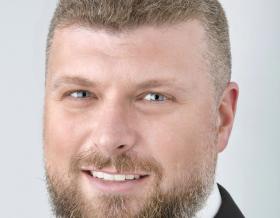
Michael Scott – Australia and New Zealand Director of Reconciliation and Indigenous Inclusion
Michael leads Jacobs’ efforts across Australia and Aotearoa New Zealand. Drawing on senior leadership experience across diverse industries, he embeds reconciliation and Indigenous inclusion into operations and drives accountability. His work is guided by the cultural leadership of Jacobs’ Aboriginal, Torres Strait Islander and Māori colleagues, whose lived experience and wisdom shape the integrity and direction of our efforts.
-
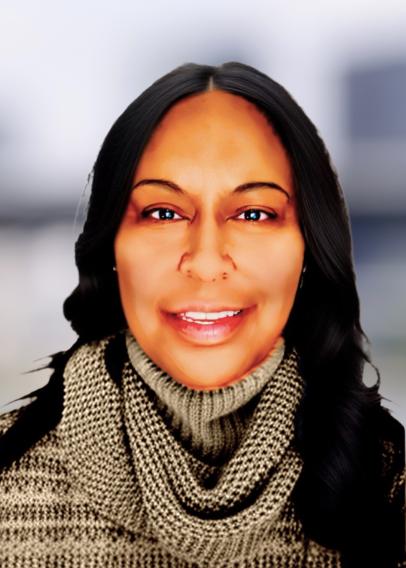
Rizah Levi – National Reconciliation Action Plan (RAP) Lead
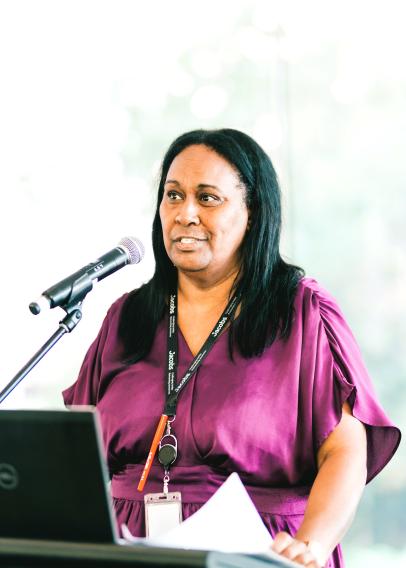
Rizah is a Torres Strait Islander from north Queensland with an extensive thirty-year career leading First Nations engagement throughout Australia. Since joining Jacobs, Rizah has continued to drive and support the implementation of the RAP, working with leaders across Australia and New Zealand.
-
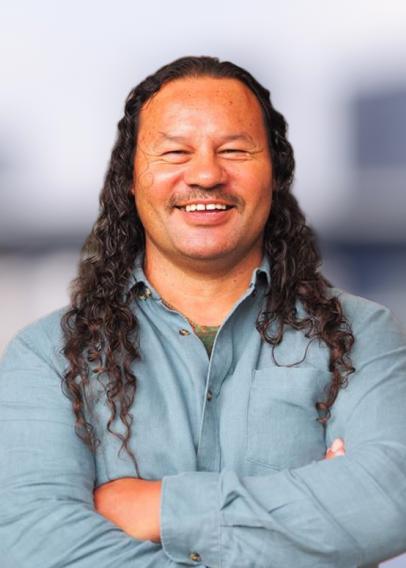
Paora Sharples – Pou Ārahi (Māori Advisory Lead)
With more than four decades of experience advising in Te Ao Māori, both nationally and internationally, Paora brings deep knowledge and understanding of Māori communities and their cultural intricacies. He has built strong relationships with groups like iwi and hāpū (Māori tribes and sub-tribes), mana whenua (Māori with authority over land or territories), Māori organizations and experts across Aotearoa New Zealand.
