






































Projects
From Diesel to Electric: Improving Commutes in California’s Bay Area
Modernizing Caltrain with faster, quieter and sustainable electric rail service


-
Save to favoritesShare with your friends
-
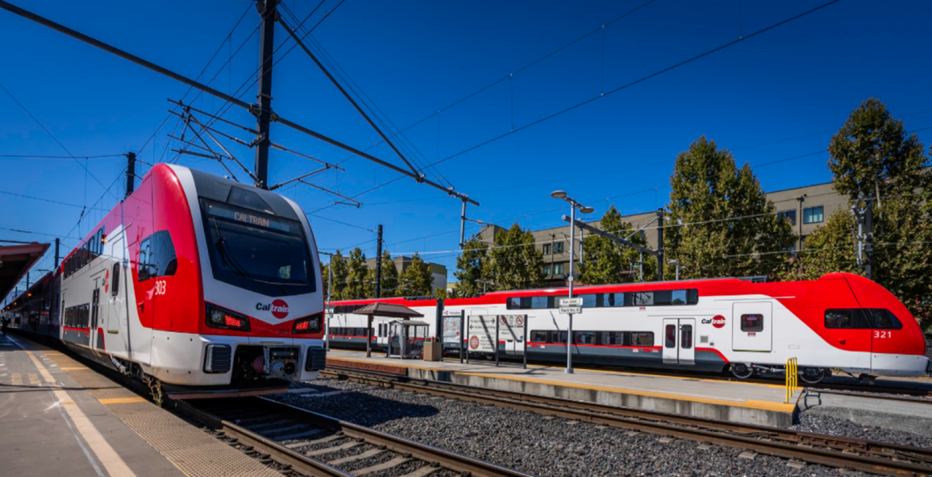
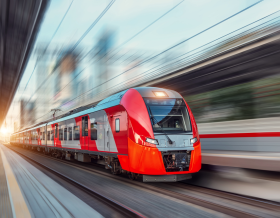
Photo courtesy of Caltrain
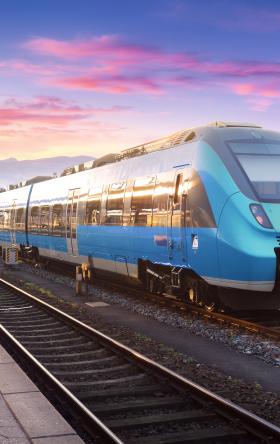
A faster commute, cleaner air and a smoother ride — that’s what the Caltrain Electrification Project has delivered for the Bay Area . With travel times cut to under an hour between San Francisco and San Jose, service expanded to run every 15–20 minutes during peak hours and amenities like free Wi-Fi and bike-friendly cars on every train, riders are experiencing a transformation in how they move through the region.
Behind these benefits is the largest modernization in Caltrain’s 160-year history: replacing diesel locomotives and completing other enhancements to deliver a rail service that’s cleaner, quieter, more reliable and on track to eliminate 250,000 metric tons of greenhouse gas emissions every year — the equivalent of removing 55,000 cars from the road.
Jacobs, serving as the construction management provider, played a central role in delivering this complex, multi-year modernization along with Caltrain and other stakeholders. Under an on-call contract initiated in 2019, Jacobs provided assistant resident engineers, office engineers, field engineers, inspectors and project administrators across multiple component contracts. The team supported every phase of the project — from design review and constructability analysis to field inspection, systems integration and stakeholder coordination.
Delivering these rider-focused outcomes required a complex set of engineering and construction upgrades, including:
-
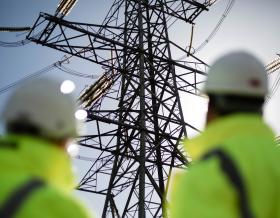
Installing a 25 kV overhead catenary system with more than 2,500 poles and 2.5 million feet of wire
- Constructing 10 traction power facilities to maintain efficient energy distribution
- System integration testing with the newly procured 19 seven-car electric trainsets
- Upgrading signal systems to be compatible under a 25kV electrified system
- Modifying the central maintenance and operations facility to accommodate electric cars
- Enlarging tunnel envelopes to support electrification infrastructure
Jacobs provided design and constructability reviews for 42 railroad crossing signals and systems, developed a construction progress tracking log by segment and work type and facilitated real-time issue resolution in the field.
“We knew the Peninsula Corridor Electrification Project would transform how people move, and we wanted it to reflect how people live. That meant listening, adapting and building with the community to keep California moving forward. Together, our collaborative team is delivering faster, quieter trains, cleaner air and lower greenhouse gas emissions — creating a more reliable, sustainable commute for thousands across the region. It’s a transformation that enhances both mobility and quality of life.”
Did you know?
-
51
miles of electrified corridor from San Francisco to San Jose
-
250 K
metric tons of greenhouse gas emissions eliminated annually (approximate)
-
19
seven-car electric trainsets deployed
-
64 %
year-over-year ridership increase in first year of service
Transforming the rider experience
Electrifying Caltrain was as much about serving people as upgrading infrastructure. The new electric trains feature free Wi-Fi and electrical outlets at every seat, Americans with Disabilities Act (ADA)-compliant restrooms with baby-changing stations, digital trip information displays and two dedicated bike cars per trainset with enhanced security and seating.
Travel times have been significantly reduced, with express service from San Francisco to San Jose now under an hour and service frequency has also expanded. Weekend and off-peak trains have doubled, while peak-hour service now runs every 15–20 minutes at 16 stations — making Caltrain more accessible and convenient than ever.
Public engagement was central to the project’s success. More than 1,000 public meetings and events were held, involving 21 jurisdictions along the corridor. The launch was celebrated with station events across the region, drawing more than 17,000 attendees and 50 community organizations. Jacobs supported these efforts by helping minimize service disruptions and coordinating closely with Caltrain operations and local agencies. This community-first approach built trust and enthusiasm, reinforcing the project’s long-term value.
Electrification is not only projected to reduce greenhouse gas emissions, it also lays the groundwork for integration with California’s planned high-speed rail system, positioning Caltrain as a cornerstone of the state’s sustainable transportation future.
The project has earned widespread industry recognition, including:
- 2025 American Public Transportation Association’s Commuter Rail Safety Gold Award
- Construction Management Association of America’s Northern California Project Achievement of the Year
- Associated General Contractors of California’s Owner of the Year Award
- California Transportation Foundation’s Rail and Transit Project of the Year Award
- Engineering News-Record’s Best of the Best Projects – Award of Merit in Specialty Construction
Featured articles
Engineering News-Record: ENR West California and Nevada Winners Announced for Regional Best Projects Awards Competition
Caltrain: Caltrain Wins 2025 Commuter Rail Safety Gold Award After Reinventing its Service
The San Francisco Standard: Thousands line up for first look at Caltrain’s new electric fleet
California Transportation Foundation: 2025 CTF Transportation Awards
Engineering News-Record: Caltrain's $2.4B Commuter Rail Electrification Project Nears Completion
