




















Projects
Connecting People to Nature and Culture: Expanding Access to Los Angeles' Parks and Streets
Creating equitable connections to some of southern California’s most iconic parks and open space destinations


-
Save to favoritesShare with your friends
-
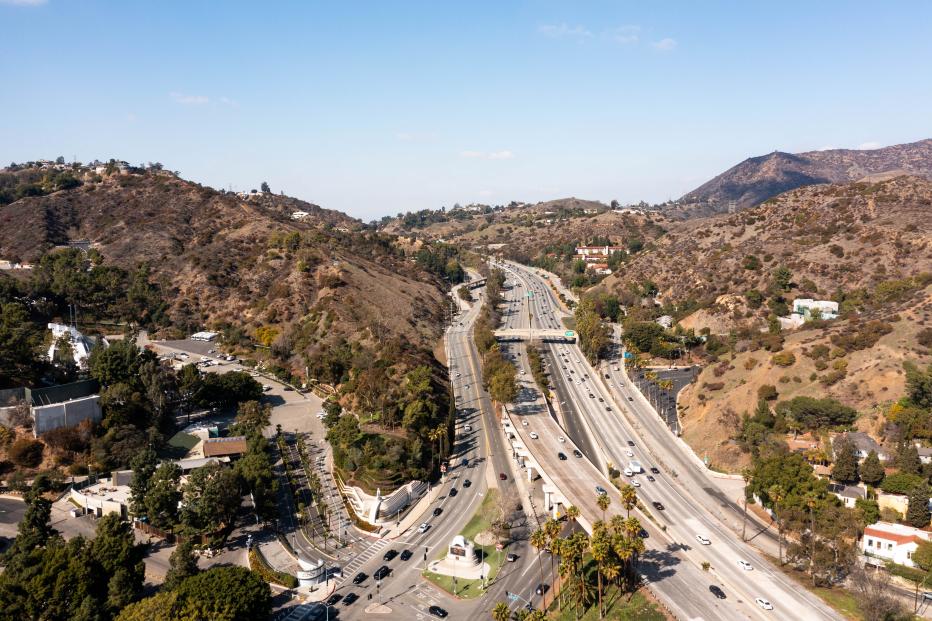
Southern California is reimagining how residents and visitors access its most treasured destinations. The Urban Wilderness Access Feasibility Plan, led by Jacobs for the Los Angeles County Metropolitan Transportation Authority (Metro), charts a path to expand access to destinations in Griffith Park and the Hollywood Bowl through innovative transit concepts, pedestrian improvements and urban trail connections.
Bringing nature and culture within reach
The plan focuses on two key components: enhancing transit access to Griffith Park and the Los Angeles Zoo for communities in Hollywood, the San Fernando Valley and the San Gabriel Valley, and creating an urban trail linking the Hollywood Bowl and John Anson Ford Amphitheater. These improvements aim to improve disadvantaged communities’ access to recreation, reduce congestion and promote sustainable mobility.
Jacobs analyzed data about access to recreation and mobility barriers to identify gaps and opportunities. Walk audits using Metro’s First/Last Mile Audit Tool informed recommendations for safer, more intuitive pedestrian connections. Preliminary concepts will include new and improved bus routes, wayfinding enhancements and pedestrian connections across the US 101 Freeway.
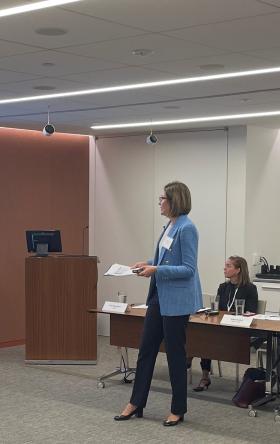
Public workshops, pop-up events and stakeholder interviews are shaping the plan to reflect local priorities. Our collaborators, including Here LA and Craftwater Engineering, are contributing expertise in engagement and people-centered, climate-resilient design to further guide solutions that reflect the communities they serve.
A more connected future for Los Angeles
Our team will analyze alternatives and develop a phased implementation strategy outlining near-, mid- and long-term actions, funding opportunities and policy recommendations for a practical, community-informed blueprint for improving access to Los Angeles’s iconic destinations.
By prioritizing equity, safety and sustainability, the Urban Wilderness Access Feasibility Plan — expected to be complete in 2026 — is responding to the community’s call for better connections to nature and culture. It’s creating opportunities for families without cars, supporting active transportation and celebrating the city’s identity. Ultimately, it’s a roadmap for a more inclusive Los Angeles, where every neighborhood can share in the benefits of its iconic parks and world-class venues.
“Everyone deserves access to Los Angeles’ iconic parks and cultural venues. This plan will bring together data, design and community voices to create connections that reflect Los Angeles’ values of creativity, sustainability and inclusion.”
Did you know?
-
2
major components: Griffith Park access + Hollywood Bowl urban trail
-
28
communities identified through our analysis of equitable access to Griffith Park
-
8
preliminary trail concepts connecting cultural landmarks
A more connected future for Los Angeles
Our team will analyze alternatives and develop a phased implementation strategy outlining near-, mid- and long-term actions, funding opportunities and policy recommendations for a practical, community-informed blueprint for improving access to Los Angeles’s iconic destinations.
By prioritizing equity, safety and sustainability, the Urban Wilderness Access Feasibility Plan — expected to be complete in 2026 — is responding to the community’s call for better connections to nature and culture. It’s creating opportunities for families without cars, supporting active transportation and celebrating the city’s identity. Ultimately, it’s a roadmap for a more inclusive Los Angeles, where every neighborhood can share in the benefits of its iconic parks and world-class venues.
